Capturing the Magic: Exploring Shooting Star Time Lapse Photography
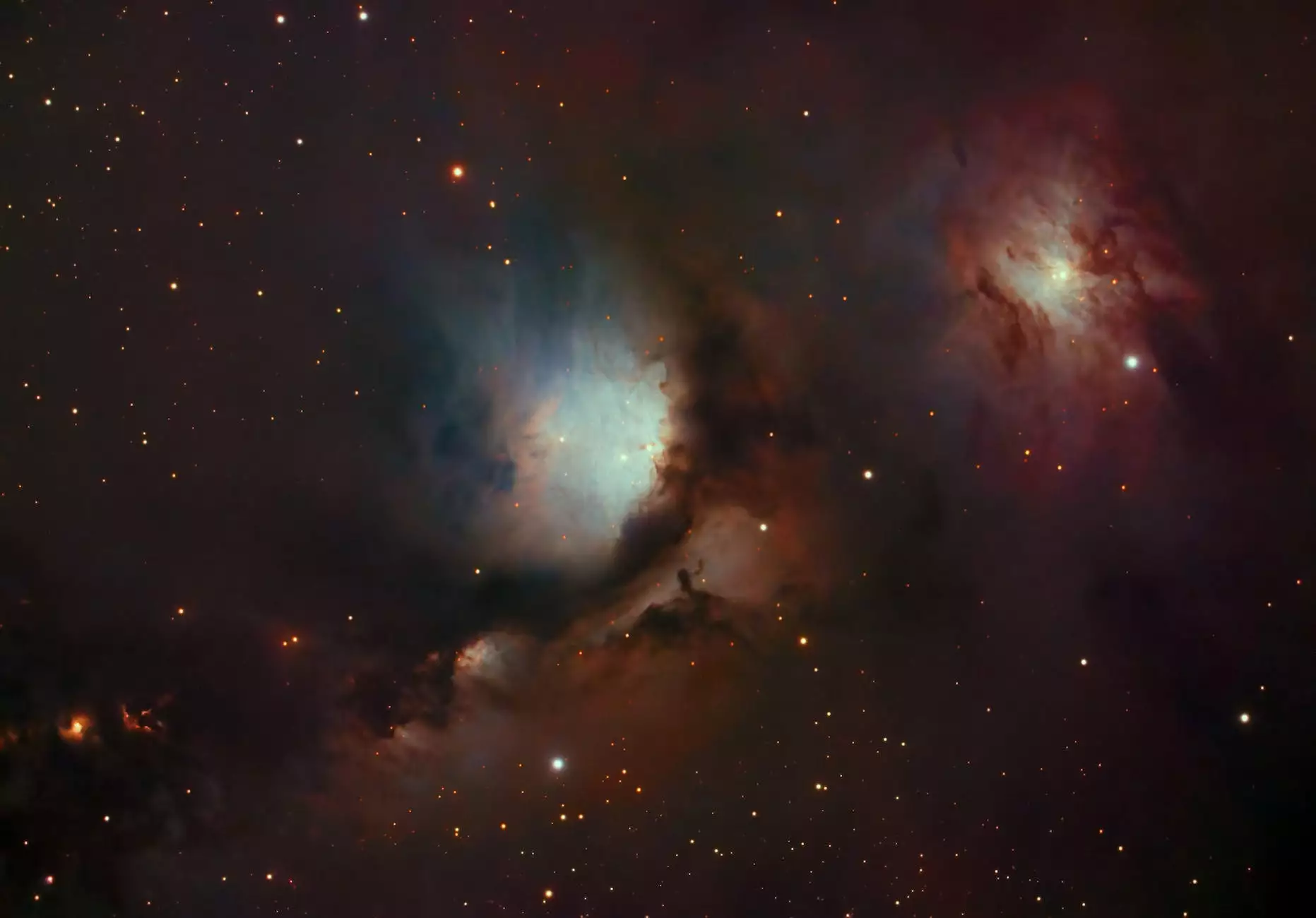
Photography is not just about moments; it’s about capturing the essence of time and beauty. Among the myriad of techniques, shooting star time lapse photography offers a unique glimpse into the wonders of our universe. This article dives into the intricate world of shooting star time lapse photography, providing aspiring photographers with insights, techniques, and inspiration.
What is Shooting Star Time Lapse Photography?
In simple terms, shooting star time lapse photography is the art of capturing the fleeting beauty of meteor showers and other celestial events in a dynamic format. By taking numerous photographs over a set period, photographers create a video that showcases the movement of the stars and meteors across the night sky.
The Importance of Timing
Success in capturing stunning shooting star time lapse sequences hinges on impeccable timing. Here are some tips to help you maximize your chances:
- Know the Meteor Calendar: Familiarize yourself with meteor shower schedules, such as the Perseids, Leonids, and Geminids. These events increase the likelihood of sightings.
- Choose the Right Night: Select nights when the moon is less visible, as darker skies enhance the visibility of meteors.
- Scout Locations: Find dark areas away from city lights for optimal sky visibility. National parks or remote areas are often perfect for this purpose.
Equipment You Will Need
The right equipment can make a significant difference in your shooting star time lapse photography experience. Here’s what you should consider:
- Camera: A DSLR or mirrorless camera with manual settings is ideal for long exposure photography.
- Tripod: A sturdy tripod is crucial for stability during long exposures.
- Wide-Angle Lens: A lens with a wide aperture (f/2.8 or lower) allows more light, essential for capturing celestial events.
- Intervalometer: This device automates the process of taking pictures at predetermined intervals, essential for time lapse photography.
- Filters: Light pollution filters can improve image quality in urban settings.
Setting Up Your Shoot
Setting up for a successful shooting star time lapse involves careful planning and attention to detail:
Location Selection
Your chosen location plays a pivotal role. Look for areas with low light pollution. Apps like Light Pollution Map can guide you to the best spots.
Camera Settings
Here’s a recommended setting configuration:
- Mode: Manual mode gives you full control over your exposure.
- Aperture: Set to the widest setting (e.g., f/2.8).
- ISO: Start around 800 to 1600; adjust based on your environment.
- Shutter Speed: Aim for 10-30 seconds, experimenting until you find the best balance for your scene.
- White Balance: Set this to daylight (or auto), and adjust in post-processing for best results.
Capturing the Moments
Once everything is set, it’s time to begin capturing the magic:
- Begin Shooting: Start your intervalometer to take pictures at regular intervals.
- Be Patient: Meteor showers can be unpredictable, requiring patience and perseverance.
- Enjoy the Experience: Take a moment to simply enjoy the night sky. The universe is vast, and sometimes it’s about the experience as much as the photos.
Post-Processing Your Time Lapse
After capturing your sequence, the next step is post-processing. Here’s how to enhance your shooting star time lapse:
- Stacking Images: Use software like StarStax or Adobe Photoshop to stack your images, which can help reduce noise and enhance details.
- Color Correction: Adjust contrast, brightness, and saturation to bring the colors to life.
- Creating a Video: Use video editing software like Adobe Premiere or Final Cut Pro to compile your images into a time lapse video.
Inspiration from the Best
Looking for inspiration? Here are some remarkable photographers and their incredible shooting star time lapse work:
- Michael Shainblum: Known for his stunning astronomical photography, Shainblum captures extraordinary celestial phenomena.
- Daniel J. Cox: Focused on capturing the beauty of nature, Cox’s time lapse videos beautifully showcase the night sky.
- J.P. Morgan: An award-winning photographer whose shooting star time lapse videos feature breathtaking natural landscapes.
Making Your Mark in Photography: A Journey with Bonomotion
For those venturing deeper into the photography realm, consider exploring how professional services, like those provided by bonomotion.com, can assist you—whether you’re capturing real estate or celestial events. Partnering with experienced photographers can enhance your skills and inspire your vision, ensuring that your photography speaks volumes.
The Future of Shooting Star Time Lapse Photography
As technology advances, the future of shooting star time lapse photography looks promising:
- Improved Camera Technology: Innovations in sensor technology and image processing will allow photographers to capture even more stunning nightscapes.
- Aerial Photography: Drones are becoming increasingly popular, offering unique perspectives and new opportunities.
- Social Media Influence: Platforms like Instagram and YouTube are fostering a growing community of astrophotographers, encouraging sharing and collective learning.
Conclusion
Engaging in shooting star time lapse photography is about more than just taking pictures; it’s about capturing the fleeting beauty of our universe. With the right equipment, knowledge, and passion, anyone can create a stunning time lapse. Dive into this mesmerizing world and let your creativity soar among the stars. Remember, every moment captured is a story waiting to be told!