Understanding the Concept of a Distributed Radio System
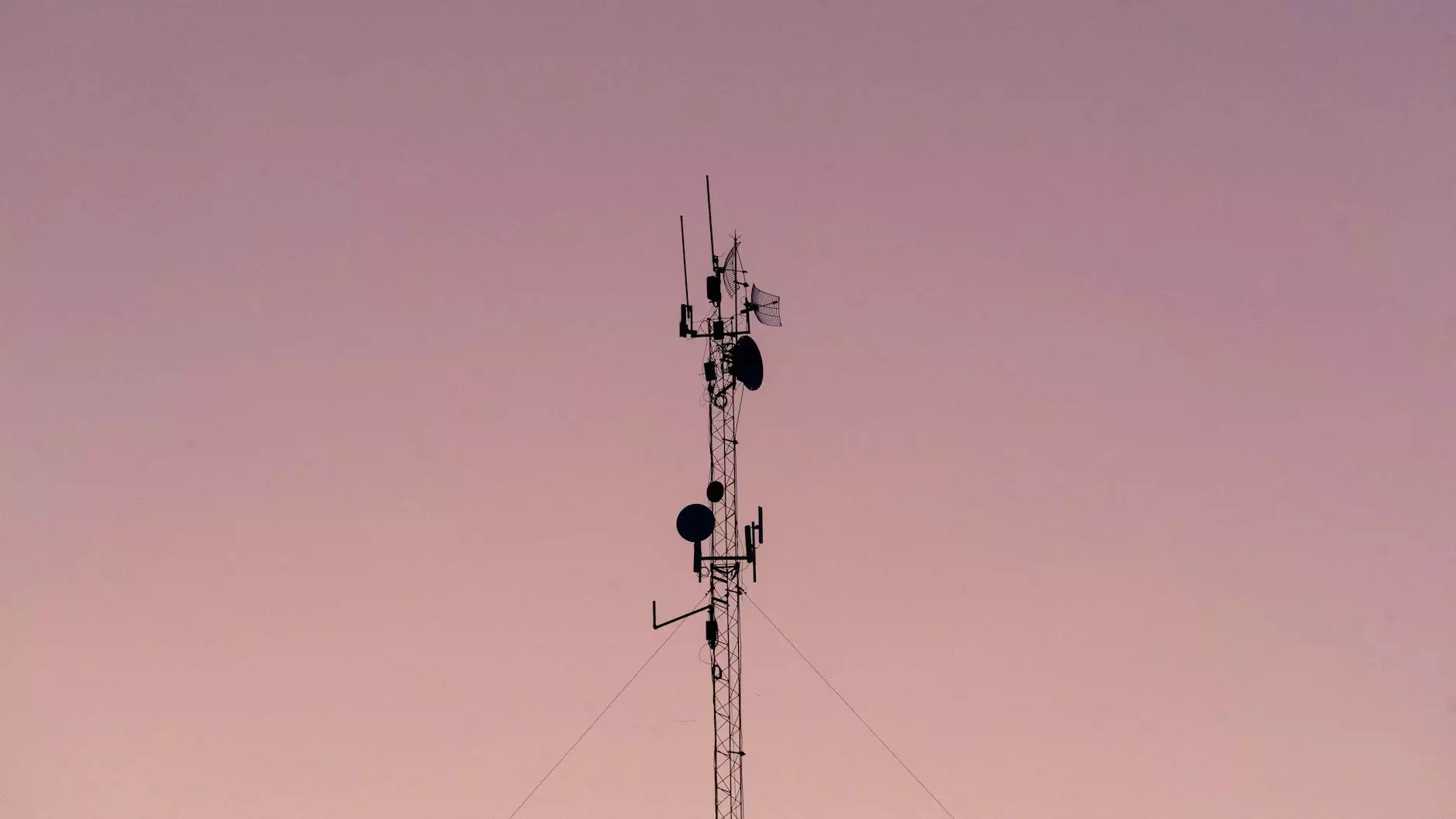
The landscape of telecommunications is evolving rapidly, with the distributed radio system at the forefront of this transformation. As communication demands grow and evolve, businesses must adapt to ensure connectivity and efficiency. This article explores what distributed radio systems are, their components, benefits, applications, and future trends that are shaping the telecommunications industry.
What is a Distributed Radio System?
A distributed radio system is a sophisticated network designed to manage radio signals across a wide area, improving communication efficiency and effectiveness. Instead of relying on a single base station, a distributed radio system utilizes multiple antennas strategically spread throughout a specific area, connected to a central control unit. This setup allows for enhanced signal coverage and quality, thereby meeting the increasing demands of modern communication needs.
The Components of a Distributed Radio System
There are several key components that come together to form a powerful distributed radio system, each playing a vital role in ensuring seamless communication:
- Distributed Antenna Systems (DAS): DAS consists of multiple antennas that are distributed across a large area to provide improved coverage.
- Signal Sources: These sources generate the necessary radio frequencies needed for communication, typically involving equipment like base stations or repeaters.
- Central Controller: This component orchestrates communication between antennas and manages the distribution of signals, optimizing performance.
- Backhaul Connectivity: This refers to the integration of high-capacity data links that connect the central controller to the wider network, facilitating efficient data transfer.
- Network Management Software: Advanced software solutions that monitor and manage the entire distributed radio system, ensuring operational efficiency.
Benefits of Implementing a Distributed Radio System
The transition to a distributed radio system provides numerous advantages that appeal to businesses and telecommunications operators alike:
1. Enhanced Coverage
With multiple antennas working in harmony, distributed radio systems can extend coverage into areas that are traditionally challenging, such as basements, indoor spaces, or rural regions.
2. Improved Signal Quality
Distributed antennas reduce dead spots and improve overall signal quality by ensuring signals maintain power throughout distribution, which is critical for voice calls and data transmission.
3. Scalability
As communication demands increase, distributed radio systems can be easily scaled by adding additional antennas, which is more cost-effective than upgrading traditional systems.
4. Cost-Effectiveness
While the initial investment may be higher, the long-term operational costs typically decrease through reduced maintenance and energy consumption, especially in large commercial areas.
5. Flexibility
Distributed radio systems can adapt to various environments, whether it's an office building, airport, or outdoor event, making them suitable for diverse industries.
Applications of Distributed Radio Systems
Distributed radio systems have a broad range of applications across different sectors, demonstrating their versatility and effectiveness:
- Urban Areas: Cities increasingly rely on distributed radio systems to handle the high volume of mobile data traffic.
- Sports Arenas and Event Venues: These locations frequently implement distributed radio systems to ensure fans have access to reliable communication and internet services.
- Healthcare Facilities: Hospitals utilize distributed radio systems to facilitate communication among medical staff and support critical health information exchanges.
- Educational Institutions: Universities and colleges employ distributed radio systems to provide students and faculty with reliable access to communication resources across campuses.
- Transportation Hubs: Airports and train stations adopt these systems to enhance communication and operational efficiency, ensuring passengers stay connected.
Future Trends in Distributed Radio Systems
The telecommunications industry is constantly evolving, and the future of distributed radio systems is filled with promising trends:
1. Integration with 5G Technology
The rollout of 5G networks is significantly impacting distributed radio systems. It is expected that enhanced data rates and low latency will optimize the performance of these systems, facilitating better connectivity for users.
2. Smart Cities Initiatives
As urban areas shift towards smart city concepts, the role of distributed radio systems will become increasingly important in enhancing communication infrastructure to support IoT devices.
3. Advanced Network Management
With the emergence of AI and machine learning, network management for distributed radio systems is likely to become more automated, allowing for real-time optimization and fault detection.
4. Increased Security Measures
As cyber threats continue to rise, the emphasis on security within distributed radio systems will grow, incorporating advanced encryption protocols and access controls to protect data.
Conclusion: Embracing the Future of Telecommunications
The implementation of a distributed radio system positions businesses at the forefront of telecommunications technology. By embracing this sophisticated approach, organizations can enhance their connectivity, improve service quality, and prepare for the demands of the future. With a growing reliance on mobile communication, ensuring a robust and flexible network system is essential for success. As technologies like 5G and smart city solutions arise, the *distributed radio system* will undoubtedly become a cornerstone of modern telecommunications.
For more information about telecommunications solutions, including the implementation of advanced distributed radio systems, visit us at teleco.com.