Understanding Water Treatment Equipment: A Comprehensive Guide
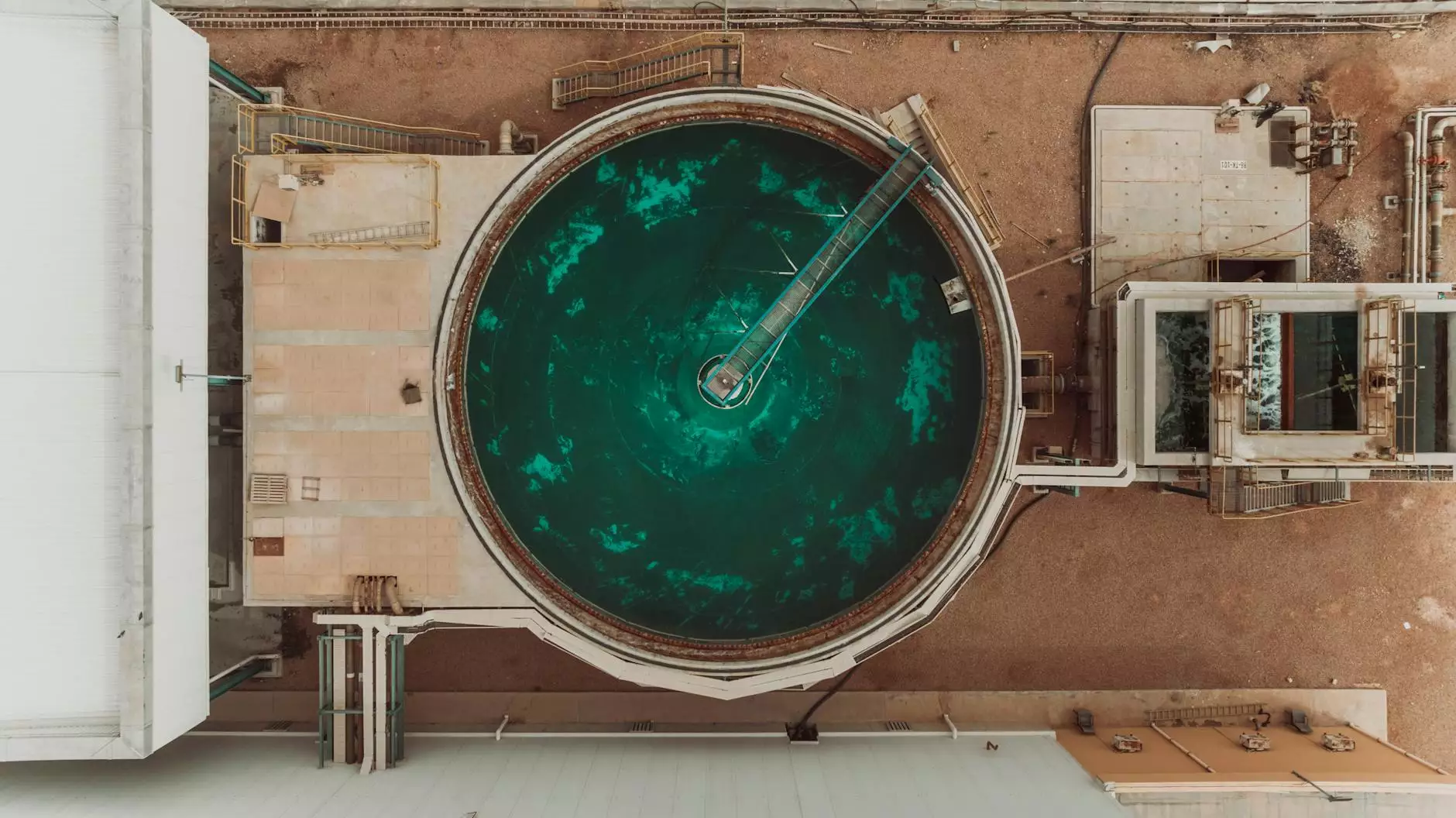
Water treatment is a critical process that ensures the availability of clean, safe water for various uses, from domestic consumption to industrial applications. This article delves into the essential aspects of water treatment equipment, including its types, benefits, and how businesses like bimakskimya.com.tr are at the forefront of this important industry.
What is Water Treatment Equipment?
Water treatment equipment refers to the devices and systems used to improve water quality by removing contaminants, impurities, and unwanted chemicals. These systems are vital for ensuring that water meets safety standards and is suitable for human consumption, agricultural irrigation, or industrial processes.
The Importance of Water Treatment
Globally, water scarcity and pollution are pressing challenges. Poor water quality can lead to serious health issues and environmental degradation. Therefore, the adoption of effective water treatment solutions is essential. Some of the main reasons for investing in water treatment equipment include:
- Health Safety: Ensures the elimination of harmful pathogens and contaminants.
- Regulatory Compliance: Helps industries meet government standards for water quality.
- Environmental Protection: Prevents pollution of local ecosystems by treating wastewater effectively.
- Resource Conservation: Reduces reliance on fresh water sources by enabling water reuse.
Types of Water Treatment Equipment
There are several types of water treatment equipment tailored for specific needs. Understanding these can help businesses and consumers make informed decisions.
1. Filtration Systems
Filtration systems use various methods to remove particles and impurities from water. They can be divided into:
- Mechanical Filters: Remove large particles through a physical barrier.
- Activated Carbon Filters: Absorb chemical contaminants and odors.
- Reverse Osmosis Systems: Use semi-permeable membranes to eliminate dissolved solids.
2. Disinfection Equipment
Disinfection is crucial for ensuring that water is safe for consumption. Common disinfection methods include:
- Chlorination: The addition of chlorine to kill bacteria and viruses.
- Ultraviolet (UV) Treatment: Uses UV light to deactivate microorganisms.
- Ozone Treatment: Utilizes ozone, a powerful oxidant, to purify water.
3. Water Softening Systems
Water softeners address hard water issues by removing calcium and magnesium ions, which can scale pipes and appliances. This equipment plays a crucial role in:
- Enhancing the efficiency of soaps and detergents.
- Extending the lifespan of plumbing systems.
- Improving skin and hair texture during washing.
4. Wastewater Treatment Systems
For industrial applications, wastewater treatment is crucial to prevent environmental damage. These systems include:
- Sewage Treatment Plants: Manage municipal sewage and wastewater.
- Industrial Waste Treatment Equipment: Cater to specific pollutants generated by industries.
Benefits of Using Water Treatment Equipment
Investing in water treatment equipment comes with numerous benefits for both individual users and businesses:
- Enhanced Water Quality: Ensures safe drinking water free from contaminants.
- Cost Savings: Reduces water-related expenses by preventing damage from hard water and contaminants.
- Better Taste and Odor: Improves the overall sensory qualities of water.
- Compliance and Reputation: Businesses benefit from adhering to environmental regulations, thus enhancing their corporate reputation.
Choosing the Right Water Treatment Equipment
With a wide range of water treatment equipment available, choosing the right system can be overwhelming. Here are some key considerations to guide your selection:
1. Understand Your Water Quality
Before choosing any treatment system, it is essential to perform a comprehensive analysis of your water supply. Understanding factors such as pH levels, hardness, and contaminant types will help identify the proper equipment needed.
2. Assess Your Needs
Evaluate whether you need equipment for residential, commercial, or industrial purposes. Your needs will dictate the scale and type of system necessary for effective water treatment.
3. Follow Local Regulations
Ensure that your chosen equipment complies with local water quality regulations. This is particularly important for food and beverage businesses that are required to meet stringent health standards.
Case Studies: Success Stories of Effective Water Treatment
To illustrate the impact of efficient water treatment equipment, let’s explore a few case studies:
Case Study 1: Municipal Water Supply Enhancement
A small town in Turkey invested in a complete filtration and disinfection system to enhance their municipal water supply. Post-installation, the community noted a significant reduction in waterborne illnesses and an increase in overall public health.
Case Study 2: Industrial Wastewater Recycling
A textile manufacturing plant successfully implemented an advanced wastewater treatment system. By treating and reusing their water, they not only reduced operational costs but also complied with environmental regulations, establishing themselves as eco-friendly leaders in the industry.
Conclusion: The Future of Water Treatment
As water scarcity continues to challenge communities and industries worldwide, the demand for effective water treatment solutions is only expected to grow. Businesses like bimakskimya.com.tr are pivotal in providing top-notch water treatment equipment that ensures clean, safe water for all. Investing in such technology is not just a matter of compliance; it is essential for sustainability and public health.
Embracing innovative technologies and sustainable practices in water treatment is vital for a better future. With a variety of equipment and services available, everyone has the opportunity to contribute to a cleaner, healthier planet.