The Comprehensive Guide to Average Air Freight Cost Per Kg
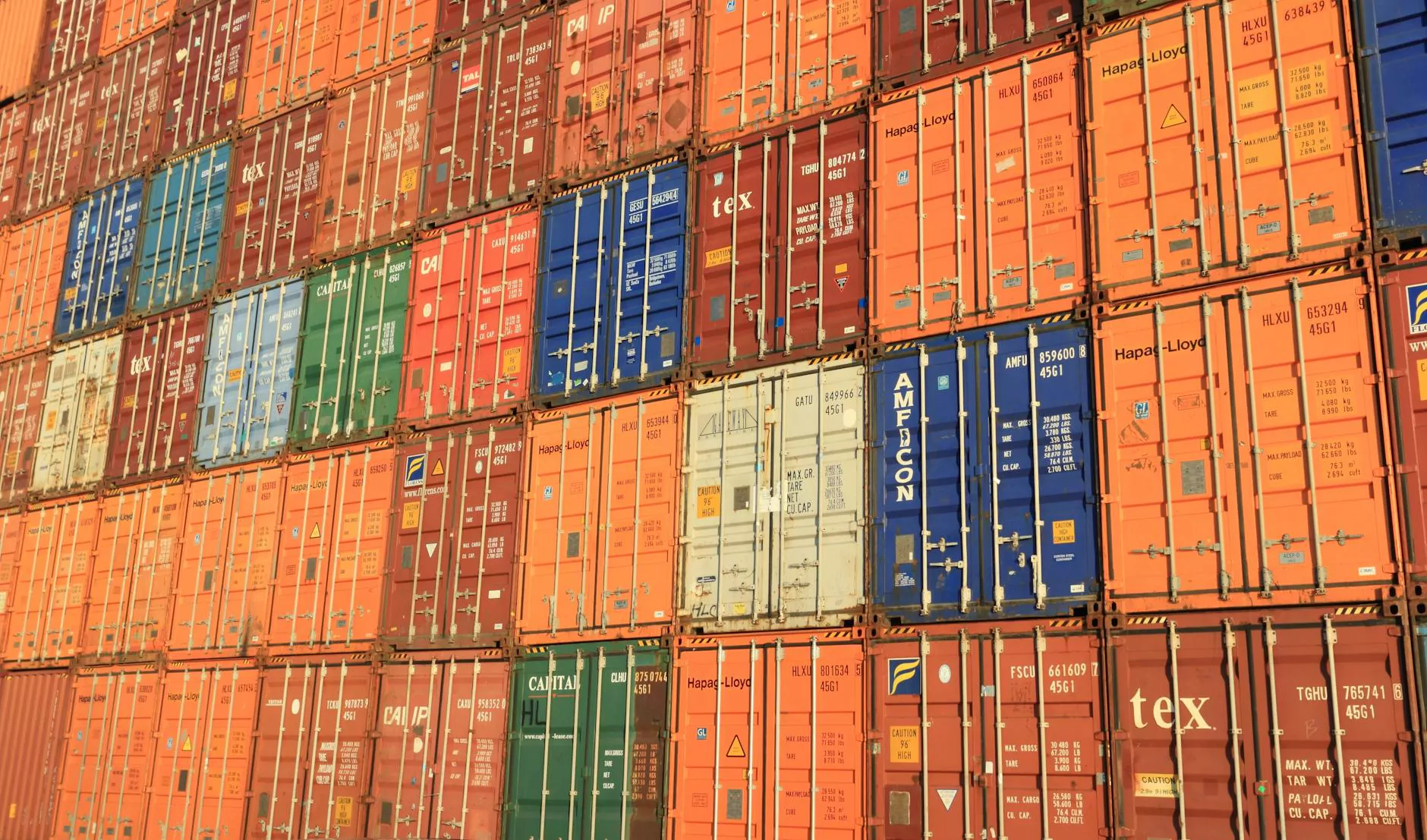
Air freight is a crucial aspect of global logistics and trade, facilitating the swift transportation of goods across continents. Within this complex world, understanding the average air freight cost per kg can empower businesses to make informed decisions for their shipping needs. This guide delves into the intricacies of air freight costs, offering insights for businesses, shippers, and logistics professionals alike.
Understanding Air Freight Costs
The average air freight cost per kg is influenced by various factors, including distance, weight, and the type of service chosen. This section will explore these factors in detail.
Key Factors That Influences Air Freight Cost
- Weight and Volume: The greater the weight or volume of the shipment, the higher the freight cost is likely to be. Carriers typically use a formula to calculate costs based on weight and dimension.
- Distance: The farther the destination, the higher the air freight charges. International shipments often incur higher costs than domestic ones.
- Type of Cargo: Specific types of cargo, especially those requiring special handling or temperature control, may attract additional charges.
- Service Type: Different air freight services (express, standard, etc.) offer varying delivery speeds and prices. Express services are significantly more expensive.
- Fuel Surcharges: Fluctuations in fuel prices directly impact air freight costs, as carriers often pass these costs to shippers.
- Airport and Route Availability: Some routes and airports are more congested than others, which can lead to increased costs due to delays and limited availability.
Average Air Freight Cost: A Breakdown
When discussing the average air freight cost per kg, it’s essential to contextualize the data. Here’s a broad overview:
Regional Variations
The average air freight cost per kg can vary significantly by region. Here’s a rough guideline:
- North America
- Europe: Rates vary from $4 to $8 per kg depending on the country of origin and destination.
- Asia: Typically around $6 to $12 per kg, influenced by local markets and specific shipping needs.
- Australia: Costs range from $5 to $10 per kg.
- Africa: Generally higher, about $8 to $15 per kg, due to less developed air transport networks.
How to Calculate Average Air Freight Cost Per Kg
For businesses to accurately assess shipping costs, knowing how to calculate the average air freight cost per kg is crucial. Here's a simple formula:
The Calculation Formula
Air Freight Cost = (Total Cost of Shipping) / (Total Weight of Shipment)
Example Calculation:
If a shipment costs $1,000 and weighs 200 kg, the calculation would be:
Cost Per Kg = $1,000 / 200 = $5 per kg
Strategies to Optimize Air Freight Costs
Reducing shipping costs while maintaining efficiency is essential for competitive businesses. Here are some strategies to consider:
1. Plan Shipments in Advance
By planning your shipments well in advance, you can opt for more economical service types and avoid rush fees.
2. Consolidate Shipments
Combining multiple smaller shipments into one larger shipment can significantly lower the average cost per kg.
3. Use Freight Forwarders
Freight forwarders can negotiate better rates due to their volume of business with carriers. This can result in cost savings for smaller businesses.
4. Keep Your Cargo Lightweight
Choosing lighter materials and packaging can help decrease overall costs. Remember that both weight and dimension are used to calculate air freight costs.
5. Understand Carrier Surcharges
Be aware of any possible surcharges that may apply, such as fuel surcharges or peak season surcharges, which can significantly inflate costs.
Factors Impacting Air Freight Rates in Current Market
The air freight market is continually evolving, affected by global events, economic conditions, and market demands. Understanding these influences can help businesses navigate and plan better.
Impact of Global Events
Events like pandemics, natural disasters, and geopolitical instability can lead to sudden changes in supply and demand for air freight services, driving costs up.
Technological Advancements
Technologies like big data and automation are transforming logistics, leading to more accurate freight planning and cost forecasting capabilities.
Sustainability Initiatives
In response to climate change, many carriers are investing in more fuel-efficient aircraft and sustainable practices, which may affect overall pricing structures.
Conclusion: Making Informed Air Freight Decisions
Understanding the average air freight cost per kg is vital for businesses engaged in international shipping. By grasping the factors that affect air freight pricing, businesses can make better logistical decisions, optimize their shipping processes, and ultimately gain a competitive edge in their respective markets.
To enhance your shipping efficiency and manage costs effectively, consider collaborating with professionals in the industry, such as those found at CargoBooking.aero. With a wealth of knowledge in shipping centers, transportation, and airports, you can leverage their expertise to navigate the complexities of air freight with ease.