Understanding the Market for Fake Currency: Why People Seek to Buy Fake Dollars
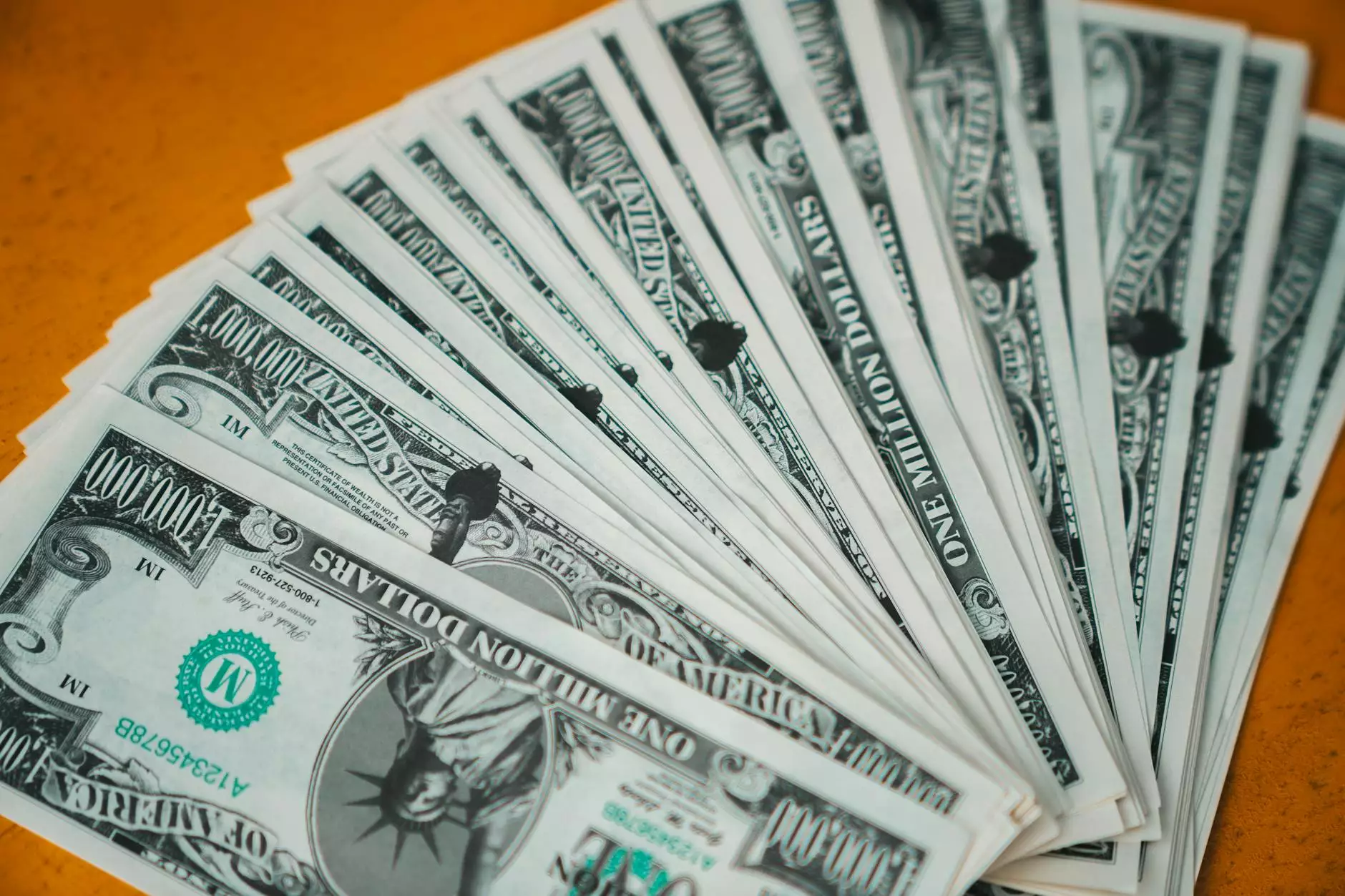
The concept of buying fake dollars often raises eyebrows and prompts questions. In a world dominated by digital transactions and financial innovations, why would anyone consider the purchase of imitation currency? This comprehensive article delves deep into this intriguing subject, exploring the motivations, market dynamics, and implications surrounding the demand for fake dollars.
Table of Contents
- What Are Fake Dollars?
- Why Do People Buy Fake Dollars?
- Legal Implications of Buying Fake Currency
- How Fake Dollars Impact the Economy
- Role of Financial Services in Addressing Currency Fraud
- Conclusion and Final Thoughts
What Are Fake Dollars?
Fake dollars refer to counterfeit or imitation currency produced without the legal authorization of the government. These bills mimic the design and feel of genuine currency but do not hold any real monetary value. Counterfeiting is a crime that affects economies globally, and even discussing the market for fake dollars must tread carefully due to the legal ramifications involved.
Why Do People Buy Fake Dollars?
Understanding the motivations behind the decision to buy fake dollars can be complex. Here are some common reasons:
- Collecting: Some individuals engage in the collection of novelty fake currency for decorative purposes or as a hobby. This niche market appreciates the craftsmanship and artistic representation.
- Props and Entertainment: Fake dollars are frequently utilized in movies, theater productions, and other performances where authentic currency is impractical or unnecessary.
- Education: Schools and educational institutions sometimes use fake currency to teach students about money management and basic economics without the risks associated with real money.
- Fraudulent Intent: Unfortunately, a small percentage of people may seek fake dollars for nefarious purposes, hoping to deceive others or engage in illicit activities.
Legal Implications of Buying Fake Currency
The act of buying fake dollars is fraught with legal challenges. In many jurisdictions, possessing or distributing counterfeit money is a serious crime that can lead to hefty fines and imprisonment. Individuals engaging in this marketplace must understand the laws governing currency and the potential consequences of their actions.
Moreover, counterfeit currency undermines the integrity of financial institutions and can have broader repercussions for the economy. The local economy may suffer from inflation, loss of trust in the currency, and increased security measures from banks and federal authorities.
How Fake Dollars Impact the Economy
The presence of fake dollars in circulation can have significant effects on both local and national economies. Here’s how:
- Inflation: The influx of counterfeit bills can lead to an increase in the money supply without a corresponding increase in goods and services, contributing to inflation.
- Loss of Public Trust: When counterfeit money circulates, people may lose faith in the legitimacy of the currency, which can lead to a reduction in cash transactions.
- Increased Regulation: Governments may respond to rising counterfeiting rates by implementing stricter regulations and increasing security features in real currency.
Role of Financial Services in Addressing Currency Fraud
Financial institutions play a crucial role in combatting the effects of counterfeit currency. Services offered by banks and credit unions include:
- Awareness Programs: Educational campaigns that inform the public about the risks and signs of counterfeit currency.
- Advanced Detection Techniques: Banks utilize sophisticated technology to detect fake bills, protecting both themselves and their customers.
- Collaboration with Law Enforcement: Financial services often work closely with law enforcement agencies to track down counterfeiters and bring them to justice.
Conclusion and Final Thoughts
In conclusion, the decision to buy fake dollars raises important questions about legality, ethics, and economic implications. While some individuals may pursue this market for harmless reasons such as collecting or entertainment, the risks associated with engaging in the counterfeit currency business are high. The responsibility lies with consumers to educate themselves on the consequences of their actions and to seek legitimate avenues for currency-related needs.
As the landscape of financial services continues to evolve, it is imperative for individuals to remain informed about the risks and realities of counterfeit currency. A well-informed public is one of the best defenses against the negative impacts of currency fraud.