The Transformative Power of Light Artists in Arts and Entertainment
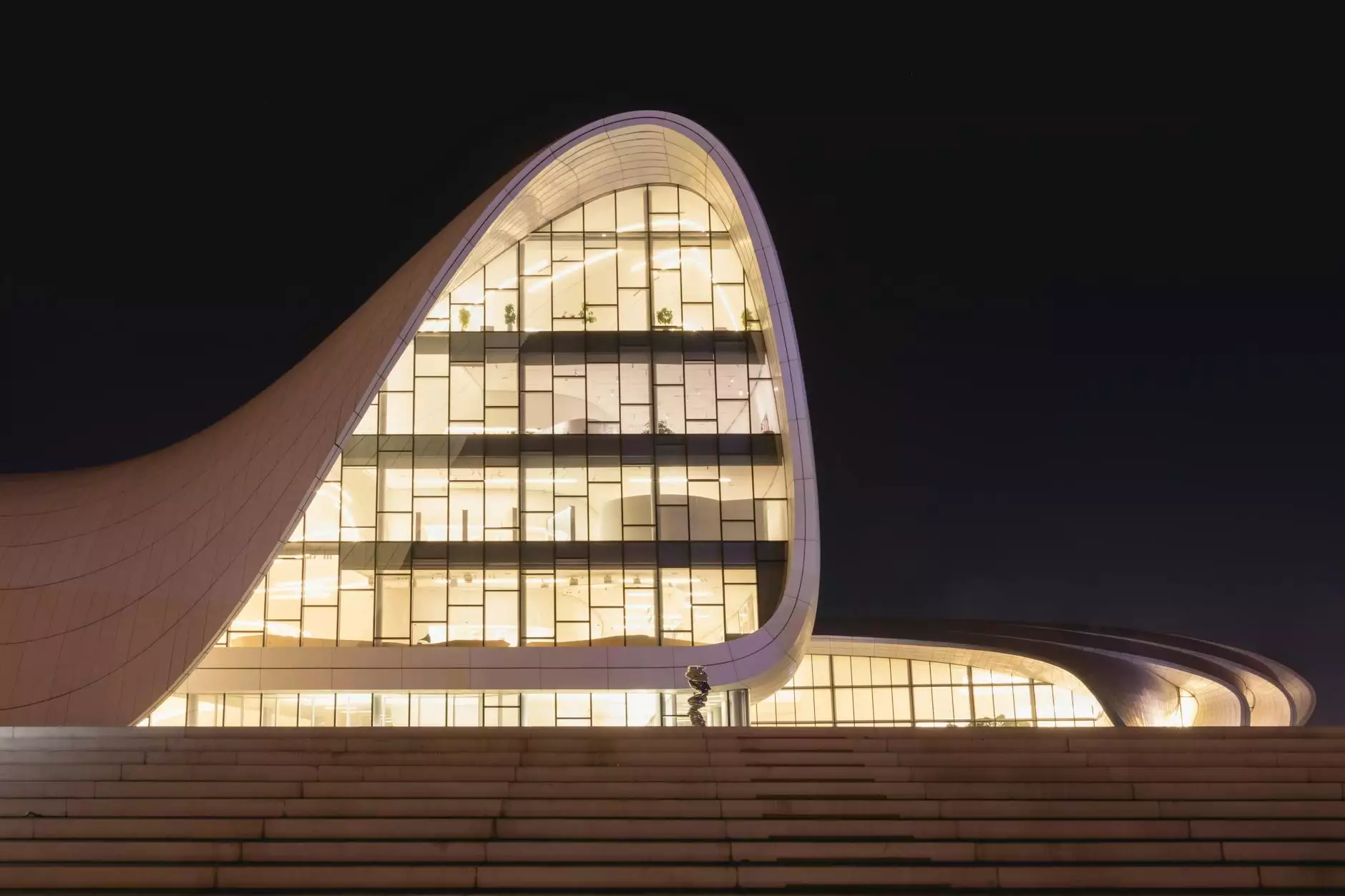
In today's rapidly evolving artistic landscape, the role of the light artist has become increasingly prominent. These innovators utilize the medium of light to create enchanting installations that challenge the boundaries of traditional art forms. Through this article, we will explore how light artists are shaping the fields of arts and entertainment, their significance in art galleries, and the profound impact they have on audiences worldwide.
Understanding the Essence of Light Art
Light art is a fascinating genre that goes beyond just the visual appeal. It encapsulates the entire sensory experience, allowing viewers to engage with art in a dynamic way. Light artists employ various technologies ranging from LED lights to projection mapping, crafting immersive environments that captivate and resonate with their audiences.
Historical Context of Light Art
The journey of light artists can be traced back to the early 20th century with pioneers experimenting with electric light. Artists like László Moholy-Nagy and Dan Flavin laid the groundwork for future generations by incorporating light into their works, effectively merging art with technology. This historical context provides a backdrop for understanding the evolution of light art into a recognized genre.
The Creative Process of a Light Artist
The creative process of a light artist is both intricate and deeply personal. It often begins with a conceptual phase where they brainstorm ideas that convey emotional and intellectual messages through light. Here are some crucial steps commonly involved:
- Research and Inspiration: Light artists immerse themselves in studies of light phenomena, color theory, and human psychology.
- Experimentation: This phase involves hands-on experimentation with various light sources and techniques.
- Site-Specific Considerations: Many light art projects are designed specifically for their environments, making the relationship between the artwork and its location paramount.
- Feedback and Iteration: Collaborating with peers and mentors, light artists refine their concepts based on constructive critiques.
Techniques and Technologies Employed by Light Artists
The innovative use of technology differentiates light artists from traditional artists. Some prevalent techniques include:
- LED Installations: Utilizing energy-efficient LEDs to create vibrant, colorful displays.
- Projection Mapping: Mapping images onto surfaces, transforming ordinary objects into show-stopping art pieces.
- Interactive Light Art: Engaging viewers through installations that react to their movements or emotions.
- Light Sculpture: Creating three-dimensional forms that capture and manipulate light in intriguing ways.
The Impact of Light Artists on Art Galleries
Art galleries serve as the main stage for light artists to present their work to the public. The impact of light art in these spaces has been revolutionary, prompting galleries to rethink their exhibition strategies. Here are a few key points regarding the relationship between light artists and art galleries:
Engaging Audiences in New Ways
Light art has a unique ability to engage audiences in ways that traditional art forms may struggle to achieve. The sensory experience created by light installations can evoke emotional responses, encouraging viewers to spend more time contemplating the work. This increased interaction amplifies the connection between the artwork and its audience, making it a crucial addition to art galleries.
Transforming Gallery Spaces
Light artists often transform gallery spaces into completely new realms. Their installations can guide visitors through darkened rooms illuminated by vibrant lights, creating an atmosphere that shifts from tranquility to exuberance. This metamorphosis encourages innovative curation strategies and draws diverse audiences.
Attracting a Wider Demographic
By incorporating light art into their exhibitions, galleries can attract younger demographics that may be less inclined to engage with traditional forms of art. The immersive and often interactive nature of light art resonates well with tech-savvy younger audiences, making it a strategic move for galleries seeking to expand their reach.
Why Light Art Matters
The significance of light art extends far beyond the realm of aesthetics. Here are several important reasons why light artists play a vital role in contemporary culture:
1. Educational Opportunities
Many light artists collaborate with educational institutions to conduct workshops and lectures, fostering a deeper understanding of the intersection of art and technology. This educational outreach is crucial for inspiring future generations of artists and technologists.
2. Sparking Dialogues
Light art often revolves around themes such as identity, environment, and technology, prompting discussions that challenge viewer perceptions and societal norms. Artists harness the power of light to address real-world issues, creating a platform for dialogues that inspire action.
3. Community Engagement
Many public installations contribute to community engagement, bringing people together in shared experiences of wonder and appreciation for art. Light festivals and outdoor installations often invite community participation, celebration, and unity.
Spotlight on Grimanesa Amorós: A Premier Light Artist
One of the most recognized names in the world of light art is Grimanesa Amorós. Her innovative work not only explores the depths of light but also challenges viewers to engage with contemporary themes such as cultural heritage and environmental issues. Amorós’s installations are characterized by their vibrant, flowing designs that often incorporate elements of interactivity, making her a standout figure in galleries and exhibitions worldwide.
Thematic Inspirations
Amorós draws from her Peruvian background, weaving cultural motifs into her light sculptures. This blending of identity and artistry exemplifies the power of light as a medium for storytelling.
Exhibitions and Collaborations
Her work has been featured in prominent exhibitions around the globe, showcasing the versatility and depth of light art. Collaborations with organizations such as the United Nations highlight her commitment to using art as a vessel for global dialogue.
The Future of Light Art
Looking ahead, the future of the light artist is illuminated with possibilities. As technology continues to evolve, so too will the methods and mediums available for light artists. Here are a few trends that may shape the future landscape:
- Integration of AI: As artificial intelligence technology advances, we may see more collaborative projects between light artists and AI, resulting in dynamic installations that adapt in real time.
- Sustainability Focus: With environmental consciousness on the rise, future light artists will likely focus on sustainable practices, using energy-efficient technologies to minimize their ecological footprints.
- Virtual Reality: The incorporation of virtual reality into light art could create even more immersive experiences that transcend physical boundaries.
Conclusion: The Lasting Legacy of Light Artists
In conclusion, the role of the light artist in today's arts and entertainment landscape cannot be overstated. Through innovative techniques and a profound understanding of light as a medium, these artists foster immersive experiences that captivate and resonate with audiences. As we move forward, the transformative power of light art will continue to inspire, challenge, and redefine the world of contemporary art.
The significance of light artists, such as Grimanesa Amorós, serves as a beacon, illuminating the path for future generations in the realms of creativity and expression. By embracing the shifting landscape of technology, culture, and community, light artists are not just creators—they are visionaries shaping the very fabric of our artistic future.
As more individuals discover the allure of light art, it is clear that the influence of light artists will only grow stronger, inviting new audiences to participate in the enchanting dance of light and creativity.