Understanding Prototyping Molding in China
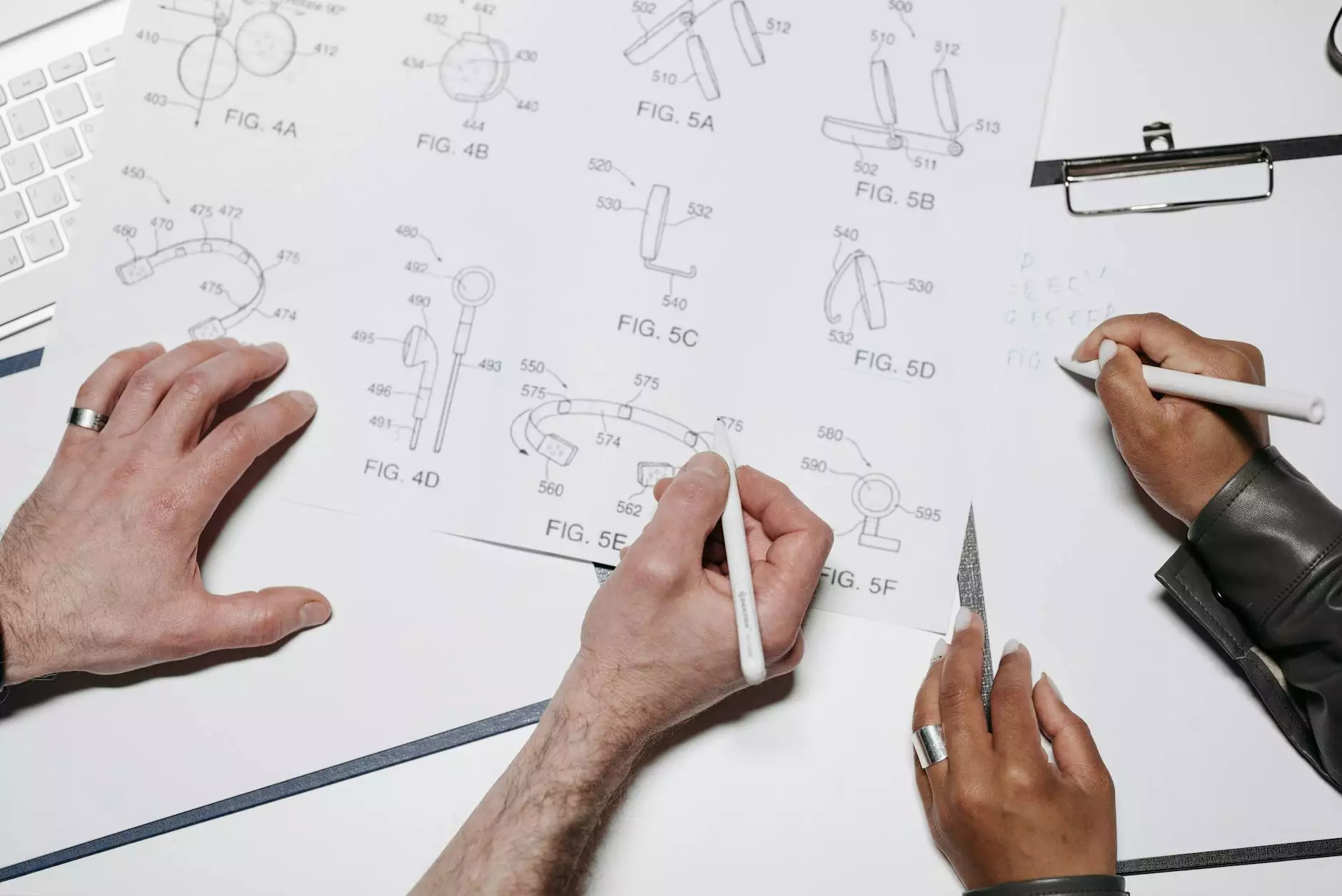
In today's fast-paced industrial landscape, prototyping molding in China has emerged as a cornerstone for revolutionizing product development. For businesses looking to innovate, the ability to quickly create and test prototypes can significantly reduce time-to-market and optimize production processes.
What is Prototyping Molding?
Prototyping molding refers to the process of creating prototypes using various molding techniques. It serves as an essential stage in the product development lifecycle, allowing designers and engineers to visualize and test their concepts before committing to full-scale production. The prototyping stage provides valuable insights into design functionality, material usage, and potential manufacturing challenges.
The Rise of Prototyping Molding in China
As one of the world's largest manufacturing hubs, China has positioned itself as a leader in prototyping molding techniques. There are several compelling reasons for this shift towards Chinese prototyping services.
- Cost Efficiency: China's manufacturing costs are often significantly lower than those in Western countries. This allows businesses to experiment with multiple designs without incurring prohibitive expenses.
- Quality and Innovation: With advancements in technology and skilled labor, Chinese manufacturers deliver high-quality prototypes that meet international standards.
- Speed of Production: The rapid development cycle in China ensures that designs can be prototyped quickly, significantly shortening the time needed to bring a product to market.
Advantages of Using Chinese Prototyping Services
There are numerous advantages to utilizing prototyping molding in China, especially for businesses looking to maintain a competitive edge. Below are some key benefits:
1. Access to Advanced Technology
China is home to some of the most advanced manufacturing technologies and equipment. This technological edge means that companies can leverage the latest innovations in protyping molding, including:
- 3D Printing: Rapidly generates prototypes with intricate designs.
- CNC Machining: Allows for precision in manufacturing parts that require tight tolerances.
- Injection Molding: Efficiently produces multiple copies of prototypes with high consistency.
2. Skilled Labor Force
A well-trained and highly skilled labor force is essential for prototype manufacturing. In China, skilled workers are plentiful, offering a unique blend of craftsmanship and technological expertise. This ensures that prototypes are crafted with precision, resulting in functional and reliable designs.
3. Diverse Material Options
China provides a wide range of material options for prototyping, including metals, plastics, and composites. This diversity allows businesses to test various materials in their product designs, optimizing functionality and cost.
4. Flexible Production Scales
Chinese manufacturers can efficiently scale their production levels, accommodating small batch prototyping and large-scale runs. This flexibility supports companies of all sizes, from startups to established corporations, in their production strategies.
Choosing a Prototyping Partner: DeepMould.net
One of the leading companies specializing in prototyping molding in China is DeepMould.net. Their extensive experience as metal fabricators makes them an excellent choice for businesses seeking reliable prototyping services. Here’s why:
1. Quality Commitment
DeepMould.net emphasizes high-quality standards throughout the prototyping process. Each stage, from design to final inspection, is meticulously overseen to ensure that the end product meets client expectations.
2. Custom Solutions
Understanding that no two projects are alike, DeepMould.net offers custom solutions tailored to specific needs, ensuring that the unique requirements of each client are met.
3. Streamlined Communication
Effective communication is crucial in the prototyping phase. DeepMould.net prides itself on providing transparent and clear communication with clients, allowing for a collaborative approach to product development.
4. Comprehensive Metal Fabrication Services
As one of the prominent metal fabricators in China, DeepMould.net provides a vast array of services, including:
- Sheet Metal Fabrication
- Welding and Assembly Services
- Laser Cutting
- Surface Finishing
The Process of Prototyping Molding in China
Understanding the process of prototyping molding in China can help businesses prepare and strategize effectively. Here’s a breakdown of the typical workflow:
1. Concept Development
The first step involves brainstorming and conceptualizing the product idea. Collaborating with engineers and designers can significantly enhance the initial concept, ensuring that functionality and design align.
2. Designing the Prototype
Once the concept is solidified, a design is created using computer-aided design (CAD) software. This digital representation provides an in-depth view of the product and its components.
3. Material Selection
Choosing the right materials is critical. Factors such as durability, cost, and intended use must be considered to ensure optimal performance in the final product.
4. Prototype Production
Utilizing advanced manufacturing techniques, the design is translated into a physical prototype. This stage often involves a combination of CNC machining, 3D printing, and injection molding.
5. Testing and Feedback
Once the prototype is created, it undergoes rigorous testing to assess its functionality and performance. Feedback is collected to identify any areas for improvement.
6. Iteration
The feedback received in the testing stage is vital for refining the prototype. Iterations may be required to perfect the design, ensuring the product is market-ready.
Challenges in Prototyping Molding
While there are numerous benefits to prototyping in China, some challenges can arise:
1. Language Barriers
Communication can sometimes be challenging due to language differences. However, most reputable firms like DeepMould.net employ bilingual staff to facilitate seamless communication.
2. Time Zone Differences
Dealing with partners across different time zones may lead to delays in communication. Establishing clear timelines and availability can help mitigate this issue.
3. Quality Control
Ensuring consistent quality control is essential, particularly with overseas manufacturing. Collaborating with well-established prototyping partners can help maintain high standards throughout the production process.
Conclusion: The Future of Prototyping Molding in China
As the demand for innovative products continues to grow, so does the importance of prototyping molding in China. Companies like DeepMould.net stand at the forefront, providing solutions that combine efficiency with quality. By leveraging advanced technology, skilled labor, and comprehensive services, businesses can streamline their product development processes, reduce costs, and ultimately achieve greater success in bringing their ideas to fruition.
In a highly competitive global market, investing in prototyping molding services in China may be the key to elevating your product ideas and securing a strategic advantage.
Prototyping molding China