Mastering Rice Weevil Control: A Comprehensive Guide for Farmers
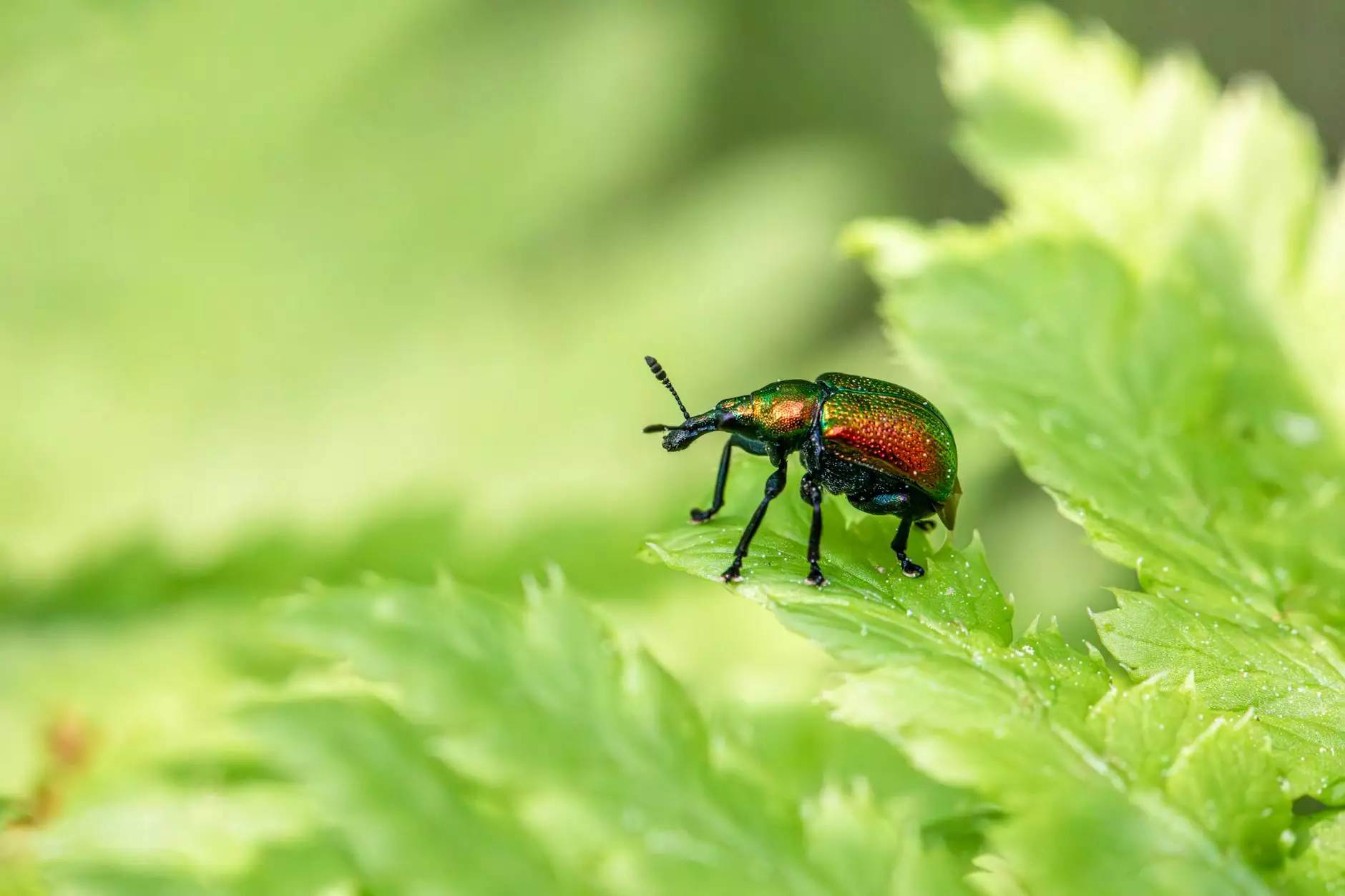
In the world of agriculture, pests such as rice weevils can significantly impact crop yield and quality. Effective rice weevil control is essential for farmers seeking to protect their investment and ensure sustainable farming practices. In this article, we will explore various methods, tips, and strategies to help you manage and eliminate rice weevils effectively.
Understanding Rice Weevils
Rice weevils, known scientifically as Sitophilus oryzae, are small, reddish-brown insects that primarily infest stored grains, especially rice, hence their name. Understanding their life cycle and habits is crucial for implementing effective control measures.
Life Cycle of Rice Weevils
The life cycle of a rice weevil consists of four main stages: egg, larva, pupa, and adult. Here’s a brief overview of each stage:
- Egg stage: Female rice weevils lay eggs inside the grain kernel. Each female can lay up to 400 eggs during her lifespan.
- Larval stage: Upon hatching, the larvae feed on the grain, damaging it from the inside.
- Pupal stage: After the larval stage, they pupate inside the grain, emerging as adults.
- Adult stage: Adult rice weevils emerge to mate and continue the life cycle, increasing their population rapidly.
Signs of Infestation
Detecting an infestation early can save your crops and reduce losses. Look for the following signs:
- Small holes in grains: The most obvious sign of rice weevil activity.
- Fine dust around stored grains: This is often the result of weevil feeding.
- Live weevils: Adult rice weevils are approximately 2-3mm long and can often be seen crawling on grain bags or containers.
- Webbing in storage areas: A sign that the area is conducive to infestation.
Preventive Measures for Rice Weevil Control
The best way to deal with rice weevils is to prevent infestations before they occur. Here are some effective preventive measures:
1. Proper Storage Practices
Ensuring that grains are stored correctly is vital in preventing rice weevil infestation:
- Use airtight containers: This keeps pests out and maintains grain freshness.
- Keep storage areas clean: Regularly clean storage areas and inspect for damaged bags or containers.
- Monitor temperature and humidity: Rice weevils thrive in warm, humid environments. Keep storage areas cool and dry.
2. Regular Inspection
Conducting regular inspections of your stored grains can help you catch infestations early. Establish a routine where you:
- Examine stored grains at least once a month.
- Check for any signs of infestation.
- Remove any infested grains immediately to prevent the spread.
Methods of Rice Weevil Control
When it comes to rice weevil control, a variety of methods can be employed. Here are some effective techniques to eradicate these pests:
1. Natural Remedies
Many farmers prefer natural remedies due to their environment-friendly nature:
- Neem Oil: This natural insecticide disrupts the life cycle of rice weevils and prevents them from breeding.
- Essential Oils: Oils like peppermint or tea tree oil can deter rice weevils when used as sprays in storage areas.
- Diatomaceous Earth: Sprinkling this natural substance in stored grains can kill weevils by damaging their exoskeletons.
2. Chemical Treatments
If natural remedies do not yield the desired results, chemical pest control options may be necessary:
- Insecticides: Use insecticides that are specifically designed for grain pests, ensuring they are safe for food storage.
- Pesticide Dust: Applying pesticide dust in grain storage areas can eliminate weevils effectively.
3. Heat Treatment
Heat treatment is a very effective method for eliminating rice weevils:
- Heat the grains: Raising the temperature of stored grains to 120°F (49°C) for at least 30 minutes can kill all life stages of rice weevils.
- Steam Treatment: Using steam is another effective method, especially before storing harvested grains.
4. Vacuuming and Cleaning
Regularly vacuuming storage areas and cleaning equipment can greatly reduce the chances of infestation:
- Vacuuming: Use a vacuum to remove any debris or potential eggs and larvae.
- Sanitizing: After vacuuming, sanitize surfaces to eliminate any remaining pests.
Long-term Strategies for Rice Weevil Control
Implementing long-term strategies can help ensure that rice weevils do not become a recurrent problem:
1. Integrated Pest Management (IPM)
Adopting an IPM approach allows farmers to control rice weevils with a combination of methods:
- Utilize cultural, biological, and chemical control techniques in a coordinated manner.
- Monitor pest populations and their natural enemies in the ecosystem.
2. Training and Education
Stay informed about pest management:
- Participate in workshops and training provided by agricultural extensions.
- Read up on the latest research and findings related to rice weevil control.
3. Collaborate with Neighbors
Do not underestimate the power of community:
- Work with neighboring farmers to monitor and control pest populations collaboratively.
- Share information and resources for pest management.
Conclusion: Effective Rice Weevil Control for Sustainable Farming
Effective rice weevil control is essential for successful farming operations. By understanding the biology of these pests, implementing preventive measures, and employing effective control strategies, you can safeguard your crops and reduce losses. Remember, a proactive approach combined with proper management techniques will ensure that your farming endeavors flourish while keeping the detrimental effects of rice weevils at bay.
For additional support and expert advice, consider reaching out to tsgcinc.com for more information on comprehensive solutions in farming equipment and pest control.