Comprehensive Guide to Semaglutide Injections vs Ozempic: What You Need to Know
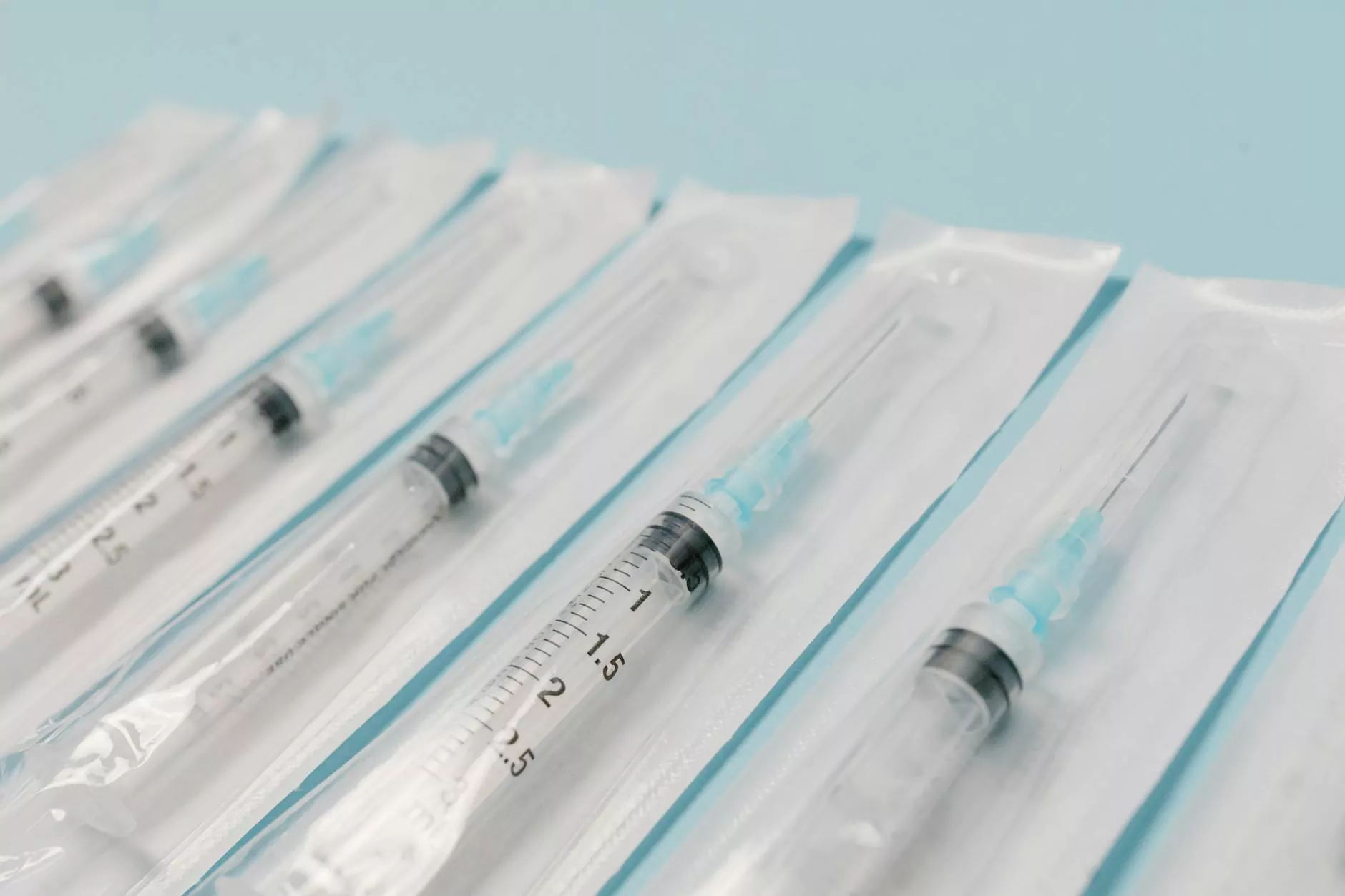
In recent years, advancements in medical science have introduced several innovative treatments for diabetes management and weight loss. Among these, semaglutide injections and Ozempic have garnered significant attention from healthcare professionals and patients alike. Understanding their differences, benefits, and applications is crucial for making informed health decisions. This comprehensive guide delves into the nuances of semaglutide injections vs ozempic, providing detailed insights into their mechanisms, effectiveness, safety profiles, and their role within the broader spectrum of health and wellness.
Understanding the Basics: What Are Semaglutide and Ozempic?
Both semaglutide and Ozempic are related to the class of medications known as GLP-1 receptor agonists. These medications mimic the action of the incretin hormone GLP-1, which plays a vital role in glucose regulation and appetite control.
What Is Semaglutide?
Semaglutide is a powerful GLP-1 receptor agonist developed for treating type 2 diabetes and weight management. It is administered as a subcutaneous injection and is available in different formulations, allowing flexibility in dosing schedules. *Semaglutide* has been shown to have a significant impact on glycemic control and weight reduction, positioning it as a leading option among modern diabetes medications.
What Is Ozempic?
Ozempic is a brand name for a specific formulation of semaglutide approved by regulatory agencies primarily for managing type 2 diabetes. It’s marketed as a once-weekly injection that helps lower blood sugar levels and promotes weight loss. While its main indication is for diabetes, evidence has shown that Ozempic also induces substantial weight loss benefits, leading to its off-label use for obesity management.
Key Differences Between Semaglutide Injections and Ozempic
Although Ozempic contains semaglutide as its active ingredient, there are important distinctions concerning their formulations, approved uses, dosages, and off-label applications.
1. Formulation and Dosing
- Semaglutide: Available in various formulations—including weekly injections for diabetes and higher-dose formulations for weight management (e.g., Wegovy).
- Ozempic: Specifically formulated as a once-weekly injection primarily approved for glycemic control, with a recommended dose of 0.5 mg or 1 mg weekly.
2. Indications and Usage
- Semaglutide: Approved for both type 2 diabetes treatment and chronic weight management under different brand names and formulations.
- Ozempic: Primarily prescribed for type 2 diabetes, but increasingly used off-label for weight loss due to its efficacy.
3. Dosage Differences and Administration
Higher doses of semaglutide, such as those used in weight management, are administered differently than Ozempic. For example, the Wegovy formulation of semaglutide may require titration over several weeks and a higher weekly dose (around 2.4 mg). Conversely, Ozempic tends to have lower dosing and is primarily used for glucose regulation.
The Effectiveness of Semaglutide Injections vs Ozempic: What the Research Shows
Multiple clinical trials and studies have demonstrated the remarkable efficacy of semaglutide in both glycemic control and weight loss. Notably, Ozempic has been a game-changer in this arena, thanks to its proven ability to significantly reduce HbA1c levels and promote weight reduction.
Clinical Evidence Supporting Semaglutide's Efficacy
Research indicates that patients on semaglutide experience a reduction in HbA1c by approximately 1.0-1.5 percentage points and weight loss of 5-15% of their total body weight, depending on the dose and duration of treatment. These outcomes are comparable, if not superior, to many other diabetes medications.
Ozempic's Role in Management
Ozempic has been shown in numerous studies to reduce HbA1c by around 1.0-1.4% and promote weight loss of approximately 4-6% of body weight. Its once-weekly dosing and robust effect on appetite suppression make it a preferred choice for many patients and healthcare providers.
Safety Profile and Side Effects of Semaglutide Injections vs Ozempic
The safety of these medications is paramount. Both semaglutide formulations and Ozempic have similar safety profiles, with most adverse events being mild and manageable.
Common Side Effects
- Nausea
- Vomiting
- Diarrhea
- Abdominal discomfort
- Loss of appetite
Serious but Rare Risks
- Pancreatitis
- Changes in vision
- Kidney function impairment
- Potential risk of thyroid tumors (observed in animal studies)
Monitoring by healthcare providers helps mitigate these risks. Adjustments in dosage and careful patient selection are vital to optimize safety and efficacy.
Choosing Between Semaglutide Injections vs Ozempic: Which Is Best for You?
Deciding whether to use semaglutide or Ozempic hinges on several factors including your health goals, medical history, and the guidance of your healthcare provider.
Consider Your Primary Goal
- If you are managing blood sugar in type 2 diabetes, Ozempic is often sufficient and approved for this purpose.
- If your goal is significant weight loss, then higher-dose semaglutide formulations (like Wegovy) might be more effective.
Consult Your Healthcare Provider
An experienced healthcare provider evaluating your overall health, current medications, and specific needs can recommend the most suitable treatment option. They will weigh the benefits and risks, considering your lifestyle and medical background.
The Future of Semaglutide and Similar Treatments
The rapid advancements in GLP-1 receptor agonist therapy suggest promising new horizons for metabolic health. Researchers are exploring long-acting formulations, combination therapies, and personalized medicine approaches that might enhance efficacy and reduce side effects.
Emerging Trends and Developments
- New delivery systems such as oral semaglutide pills
- Combination of GLP-1 receptor agonists with other drugs for synergistic effects
- Tailored treatment plans based on genetic and biomarker data
- Expanded indications, including cardiovascular risk reduction
The Role of Nutritionists and Pharmacists in Optimizing Treatment
Healthcare professionals like nutritionists and pharmacists play a pivotal role in guiding patients through their treatment journey. Proper nutritional guidance, medication management, and adherence strategies significantly influence outcomes.
Nutritionists' Contributions
- Develop personalized diet plans to support medication effectiveness
- Promote sustainable lifestyle changes for weight loss and health
- Educate on managing side effects and nutritional considerations
Pharmacists' Role
- Ensure correct medication dispensing and dosing
- Monitor for drug interactions and adverse effects
- Provide ongoing medication counseling and support adherence
Conclusion: Making an Informed Choice About Semaglutide and Ozempic
In the evolving landscape of metabolic therapy, semaglutide injections and Ozempic stand out as trailblazers offering significant benefits for both diabetes management and weight loss. Their proven efficacy, safety profiles, and convenience make them popular choices among healthcare professionals and patients seeking to improve health outcomes.
It is essential to work closely with your healthcare provider to determine the most appropriate treatment plan tailored to your unique health status. Whether aiming for better glycemic control or substantial weight reduction, knowledge and professional guidance are key to achieving your health goals effectively and safely.
FAQs About Semaglutide Injections vs Ozempic
Are semaglutide injections safe?
Yes, when prescribed and monitored properly, semaglutide injections are safe. Like all medications, they carry some risks, but adverse effects are generally mild and manageable with professional oversight.
Can I switch between Ozempic and semaglutide?
Transitioning between Ozempic and other semaglutide formulations should only be done under medical supervision to ensure safety and effectiveness.
How long does it take to see results?
Most patients observe significant improvements in blood sugar levels within a few weeks. Weight loss results may vary, often becoming noticeable after 8-12 weeks of consistent treatment.
Will I need to continue treatment forever?
Long-term treatment depends on your health goals and response to therapy. Ongoing consultation with your healthcare team is important to determine if continued medication is necessary.
Contact Us for More Information
At skinny-quick.net, our dedicated team of nutritionists and pharmacists is here to support your journey toward better health. For personalized advice, product information, or to schedule a consultation, contact us today.


