Comprehensive Guide on How to Store Semaglutide Powder for Ensuring Maximum Effectiveness
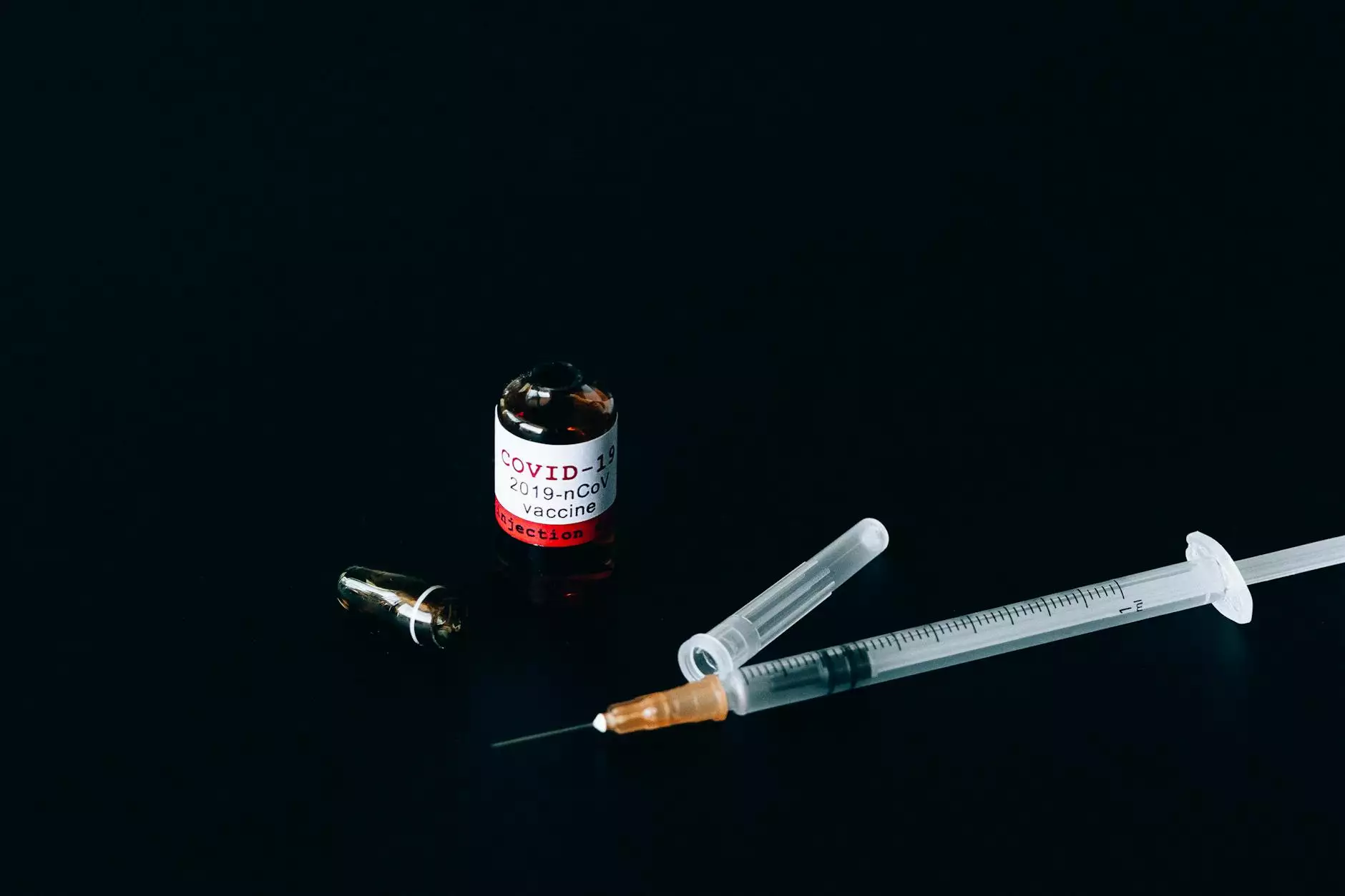
In the rapidly evolving world of medical innovations, particularly in the field of weight management and diabetes treatment, semaglutide powder has emerged as a groundbreaking pharmaceutical product. For nutritionists, drugstores, and pharmacies, understanding how to store semaglutide powder correctly is crucial to maintain its stability, potency, and safety. Proper storage practices not only extend the shelf life of this vital medication but also ensure that patients receive the maximum benefits from their treatment.
Understanding Semaglutide Powder and Its Importance
Semaglutide is a potent glucagon-like peptide-1 (GLP-1) receptor agonist used primarily in managing type 2 diabetes and facilitating weight loss regimes. Available in various formulations, the powder form requires careful handling and storage to preserve its biochemical integrity. This section delves into the fundamentals of semaglutide powder and why its proper storage matter so much in clinical and retail settings.
What Is Semaglutide Powder?
Semaglutide powder is a lyophilized (freeze-dried) compound that, when reconstituted with sterile water, becomes an injectable solution. This form allows easy transportation and long-term storage in a stable state compared to ready-to-use solutions. The powder's stability depends greatly on storage conditions, exposure to environmental factors, and handling procedures.
The Significance of Proper Storage
Incorrect storage can lead to degradation of semaglutide, greatly reducing its efficacy. This can result in suboptimal glycemic control for diabetic patients or inadequate weight management outcomes. Therefore, both healthcare providers and consumers must prioritize understanding and implementing the best storage practices.
Best Practices in Storing Semaglutide Powder
Storing semaglutide powder involves a precise approach rooted in the medication's stability profile. Below are expert-recommended guidelines to ensure the medication remains effective until the point of use.
Ideal Temperature Conditions
- Refrigeration: Store semaglutide powder at a consistent temperature of 2°C to 8°C (36°F to 46°F). This is the universally recommended temperature range for lyophilized pharmaceuticals.
- Avoid Freezing: Do not freeze the powder, as freezing can cause damage to the molecular structure and compromise its stability.
- Room Temperature: In certain cases, if refrigeration is temporarily unavailable, the unopened powder can be kept at room temperature (up to 25°C or 77°F) for a limited duration — typically up to 28 days — but this is not ideal.
Protecting from Light and Moisture
Exposure to light and moisture can accelerate degradation. Use opaque, airtight containers for storage, and keep the powder in a dry, cool storage area away from direct sunlight. A pharmacy-grade storage cabinet is ideal when available.
Handling Precautions
- Minimize Exposure: Only open the container when preparing for reconstitution or administration.
- Use Clean Equipment: Always use sterile tools and gloves to prevent contamination and moisture introduction.
- Label Properly: Clearly mark storage dates and expiration to prevent accidental misuse.
Storage Duration and Shelf Life
The shelf life of semaglutide powder, when stored under recommended conditions, can span several months. Always check the manufacturer's expiration date, and adhere to prescriptions and storage guidelines strictly. Never use expired medication, as its potency cannot be guaranteed.
Special Considerations for Commercial Settings: Pharmacies & Drugstores
Pharmacies play a vital role in maintaining the effectiveness of semaglutide powder. Implementing robust storage systems, routine inventory checks, and staff training are paramount.
Inventory Management
- Implement FIFO (First In, First Out) stock rotation to minimize storage time of older stock.
- Conduct regular temperature logs and environmental checks in storage areas.
- Ensure storage units have alarm systems for temperature deviations.
Staff Training & Handling Protocols
All personnel handling semaglutide must be trained on proper storage techniques, handling procedures, and safety protocols to prevent contamination or accidental exposure.
For Nutritionists and Healthcare Providers: Educating Patients
Nutritionists and healthcare providers should educate patients on the importance of proper storage at home. Clear instructions can greatly influence medication effectiveness and patient safety.
Patient Guidance on Storage
- Advise storing unopened vials in the refrigerator at 2°C-8°C.
- Remind patients not to freeze the medication.
- Encourage keeping the medication away from direct sunlight and moisture.
- Highlight the importance of checking expiration dates before use.
- Explain how long opened vials or reconstituted solutions can be stored, typically up to 24 hours in a refrigerator, and always with sterile technique.
Additional Tips for Ensuring Semaglutide Powder Remains Potent
In addition to rigorous adherence to storage guidelines, keeping the following tips in mind can further ensure your semaglutide maintains its robustness:
- Use only recommended storage containers, preferably original packaging or pharma-grade vials.
- Label storage containers with the date of receipt and expiration date.
- Regularly inspect storage conditions and medication appearance for signs of degradation (discoloration, clumping).
- Notify suppliers immediately if storage conditions are compromised or if the medication appears compromised.
Common Mistakes to Avoid When Storing Semaglutide Powder
Awareness of potential errors can prevent costly mistakes that compromise medication effectiveness:
- Storing at incorrect temperatures: Temperatures above 8°C or below freezing can damage the medication.
- Exposure to excess moisture: Not keeping the powder dry can lead to clumping and degradation.
- Prolonged storage outside recommended timeframes: Using medication past its expiration or beyond recommended storage durations.
- Improper handling: Touching the powder directly with unsterile hands or opening containers excessively.
Conclusion: Ensuring the Efficacy and Safety of Semaglutide Powder through Proper Storage
In the fast-paced world of healthcare and nutrition, understanding how to store semaglutide powder is essential to uphold the therapeutic efficacy of this potent medication. For professionals working in nutritionists, drugstores, and pharmacies, adhering to best practices regarding temperature, light, moisture, and handling not only benefits patient outcomes but also maintains regulatory compliance and business integrity. Proper storage techniques are a critical component in the broader spectrum of pharmaceutical stewardship, ultimately supporting better health and improved lives.
By implementing these comprehensive guidelines, your practice or pharmacy can ensure that semaglutide retains its stability and effectiveness from storage to injection. Stay informed, stay vigilant, and prioritize safety in every step of managing this vital medication.