Comprehensive Guide to Crowns for Teeth: Enhance Your Smile with Expert Dental Solutions
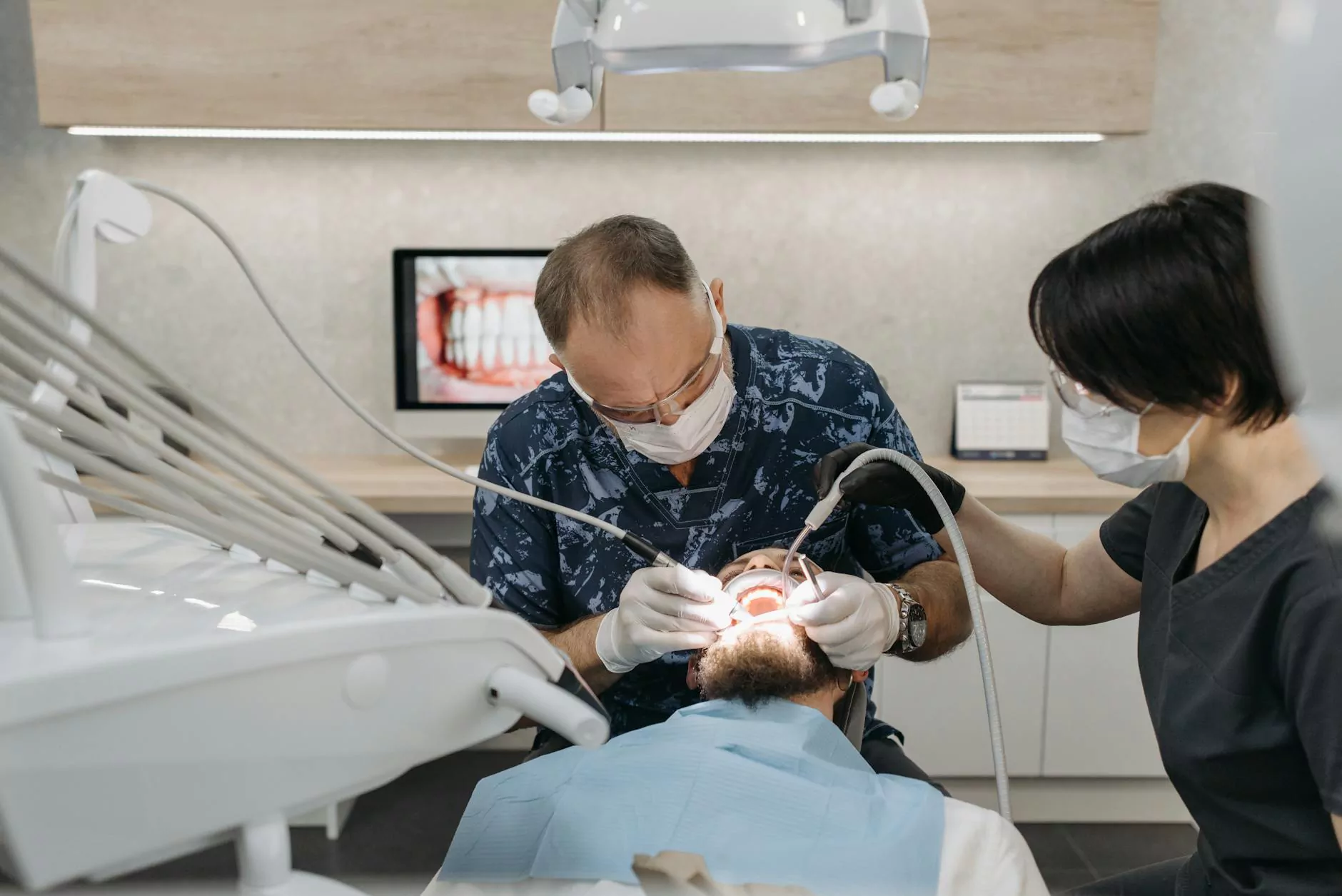
When it comes to restoring damaged or decayed teeth, dental crowns have become one of the most effective and sought-after solutions in modern dentistry. They serve not only as a protective covering but also as a tool to improve aesthetics and functionality. In this extensive guide, we will explore the intricacies of crowns for teeth, their benefits, types, the procedure involved, and how leading dental clinics like Turkey Dental Clinic specialize in delivering exceptional results for patients worldwide.
Understanding Crowns for Teeth: What Are Dental Crowns?
A dental crown is a custom-made cap designed to cover a damaged, weakened, or aesthetically imperfect tooth. It encases the entire visible part of the tooth above the gum line, providing strength, support, and a natural appearance. Crowns are crafted from various materials to meet specific functional and aesthetic needs, making them versatile tools in restorative and cosmetic dentistry.
Why Are Crowns for Teeth Essential in Modern Dentistry?
- Protection of structurally compromised teeth: Crowns prevent further decay or breakage in compromised teeth.
- Restoration of tooth functionality: They restore proper biting and chewing capabilities.
- Aesthetic improvement: Crowns can dramatically enhance the appearance of teeth, especially when made from porcelain or ceramic.
- Support for dental appliances: They serve as anchors for bridges and other dental prosthetics.
- Preservation of tooth integrity: Crowns help prolong the lifespan of natural teeth, delaying the need for extraction.
Types of Crowns for Teeth: Which Option Is Best for You?
Choosing the right type of crowns for teeth depends on factors such as the location of the tooth, aesthetic requirements, and budget considerations. The primary types include:
Porcelain Crowns
Known for their superior aesthetic qualities, porcelain crowns blend seamlessly with natural teeth, making them ideal for front teeth. Modern porcelain offers excellent durability and a lifelike appearance, closely mimicking the translucency of natural enamel.
Ceramic Crowns
Ceramic crowns are similar to porcelain but often provide improved strength without compromising aesthetics. They are a popular choice for patients seeking both beauty and robustness.
Metal Crowns
Constructed from gold or other metal alloys, these crowns are highly durable and resistant to wear. Metal crowns are typically used for molars where strength is paramount, but they are less preferred for visible front teeth due to their metallic color.
Porcelain-Fused-to-Metal (PFM) Crowns
Combining the strength of metal with the aesthetic appeal of porcelain, PFM crowns are versatile and long-lasting. They are suitable for both anterior and posterior teeth.
Zirconia Crowns
Utilizing advanced zirconium oxide material, these crowns boast exceptional strength and aesthetic qualities. Zirconia crowns are biocompatible, making them perfect for patients with allergies or sensitivities.
The Procedure for Getting Crowns for Teeth: Step-by-Step Breakdown
Receiving a crown for teeth involves multiple precise steps, typically spanning two visits to the dental clinic. Here is an overview of the standard procedure:
1. Initial Examination and Consultation
Expert dentists conduct a thorough assessment, including X-rays, to determine the extent of damage or decay. They also discuss desired aesthetic outcomes and material options with the patient.
2. Tooth Preparation
The affected tooth is carefully shaped by removing a thin layer of enamel to accommodate the crown. This step ensures a proper fit and natural appearance once the crown is placed.
3. Impressions and Digital Scanning
Dental impressions or digital scans of the prepared tooth are taken to create an accurate model, which is sent to a dental laboratory for custom fabrication.
4. Temporary Crown Placement
While the permanent crown is being crafted, a temporary cover protects the tooth and maintains aesthetics and function.
5. Fabrication of the Crown
The dental lab uses the impressions or digital data to produce the crown using high-quality materials suited to the patient’s needs.
6. Crown Fitting and Cementation
During the second visit, the dentist assesses the fit, shape, and color of the crown before bonding it securely to the tooth using dental cement.
What to Expect After Getting Crowns for Teeth
Post-procedure, patients may experience minor sensitivity or discomfort, which usually subsides within a few days. Proper oral hygiene, including regular brushing, flossing, and dental check-ups, is essential to maintain the longevity of the crown. With proper care, crowns can last from 10 to 15 years or even longer, providing decades of service.
Benefits of Choosing Top Dentists in Turkey for Crowns for Teeth
Turkey has emerged as a global hub for high-quality, affordable dental care, attracting international patients seeking cosmetic and restorative dentistry. Leading clinics like Turkey Dental Clinic offer state-of-the-art facilities, experienced dentists, and personalized treatment plans tailored to individual needs. Here’s why choosing seasoned dental professionals in Turkey is an excellent choice:
- Advanced Technology: Using cutting-edge equipment such as CAD/CAM systems for precise crown fabrication.
- Affordable Pricing: Competitive rates without compromising quality.
- Expertise in Cosmetic and Restorative Dentistry: Skilled specialists in crowns, veneers, implants, and more.
- Comfortable Treatment Experience: Modern clinics ensuring patient comfort and safety.
- Comprehensive Care: From initial consultation to follow-up, ensuring optimal outcomes.
Why Investing in Crowns for Teeth Is a Decision for Long-term Success
Opting for crowns for teeth is more than just a cosmetic upgrade; it is an investment in your overall dental health and confidence. They prevent further deterioration, restore natural function, and significantly enhance your appearance. When provided by skilled professionals using the latest materials and techniques, crowns can last for decades, making them a cost-effective and aesthetic solution.
The Role of Cosmetic Dentists and Orthodontists in Achieving Perfect Results
For optimal results with crowns for teeth, collaboration between cosmetic dentists and orthodontists can be pivotal. Cosmetic dentists focus on the aesthetic aspects, ensuring that the crowns seamlessly match surrounding teeth and enhance your smile’s beauty. Orthodontists may be involved if orthodontic treatment is required prior to crown placement, particularly in cases where teeth misalignment affects the outcome.
How Cosmetic Dentists Enhance Your Smile
Through meticulous color matching, shape optimization, and aesthetic contouring, cosmetic dentists ensure your crowns look natural and harmonize with your facial features.
Orthodontists’ Contribution to Dental Restoration
In some cases, orthodontic treatment may be necessary before crowning to correct bite issues or misaligned teeth, leading to better crown fit and long-term stability.
In Conclusion: Achieve a Healthy, Beautiful Smile with Expert Crowns for Teeth
Whether you need to restore a decayed tooth, strengthen a weakened structure, or upgrade your smile’s appearance, crowns for teeth offer a comprehensive solution tailored to your needs. Partnering with top-tier dental clinics such as Turkey Dental Clinic ensures you receive the highest quality care, cutting-edge technology, and personalized attention.
Remember, investing in your dental health today with the right crowns for teeth can lead to a brighter, healthier, and more confident tomorrow. Discover the possibilities and take the first step towards transforming your smile with expert guidance and world-class dental services in Turkey.